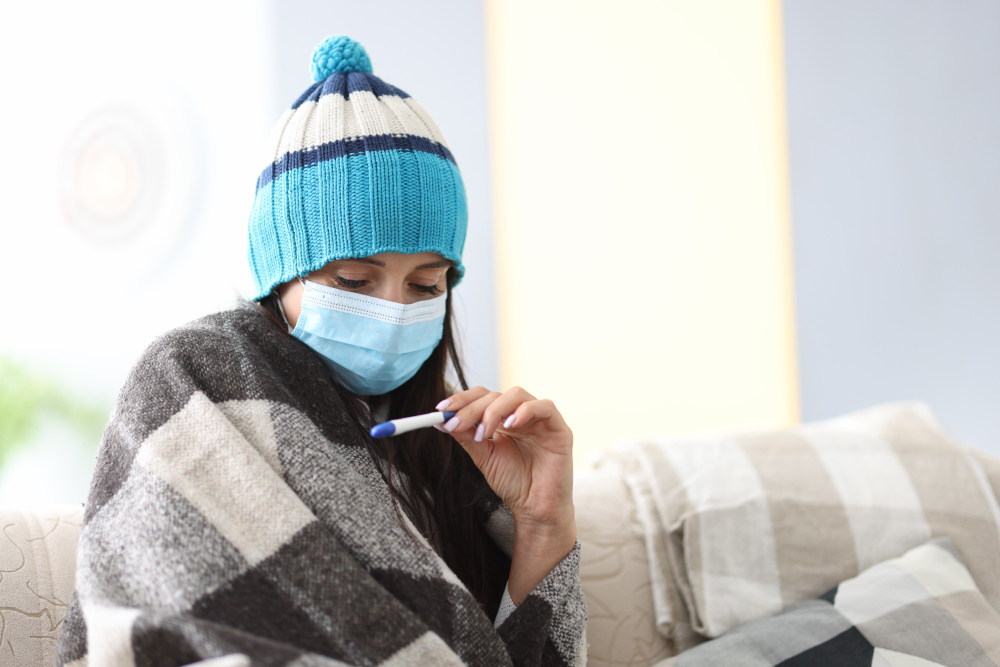
What is Seasonal Flu?
Every winter, many people worry about how to prevent seasonal flu. The seasonal flu, also called influenza, is a common illness caused by a virus. It spreads easily from person to person, especially during the colder months. While most people recover in a week or two, the flu can sometimes cause serious problems, especially for young children, older adults, and people with weak immune systems.
Common Symptoms of Seasonal Flu
Knowing the signs of the flu can help you act quickly. Usually, flu symptoms appear suddenly. For example, you may feel fine in the morning but sick by the afternoon. Common symptoms include:
However, not everyone with the flu will have all these symptoms. Some people may only have a few.
How the Flu Spreads
Understanding how the flu spreads can help you avoid getting sick. The flu virus travels through tiny droplets when someone coughs, sneezes, or even talks. If these droplets land in your mouth or nose, you can get infected. Also, you can catch the flu by touching a surface with the virus and then touching your face. Because the virus spreads so easily, it is important to follow good flu prevention tips.
Proven Prevention Tips for the Seasonal Flu
There are many ways to prevent seasonal flu and keep your family safe. The Centers for Disease Control and Prevention (CDC) and the World Health Organization (WHO) recommend these steps:
By following these flu prevention tips, you can lower your risk of getting sick.
Healthy Habits for Winter Wellness
Besides flu prevention, healthy winter habits can keep your body strong. For instance, eating well and getting enough sleep help your immune system fight off germs. Here are some simple ways to stay healthy:
Moreover, these habits not only help prevent seasonal flu but also keep you feeling your best all winter.
When to Seek Medical Help
Most people recover from the flu at home. However, sometimes the flu can become serious. You should call your doctor if you or your child:
In addition, young children, older adults, and people with health problems should be extra careful. Early treatment can help prevent serious problems.
To sum up, you can prevent seasonal flu by getting vaccinated, practicing good hygiene, and following healthy winter habits. If you have questions or need advice, consult your healthcare provider for personalized flu prevention advice.