What Is Obesity?
Obesity means having too much body fat. It is more than just being overweight. According to the World Health Organization (WHO), obesity happens when a person’s body mass index (BMI) is 30 or higher. Many people face this issue today. In fact, obesity can lead to many health problems, including joint pain.
How Obesity Causes Joint Pain
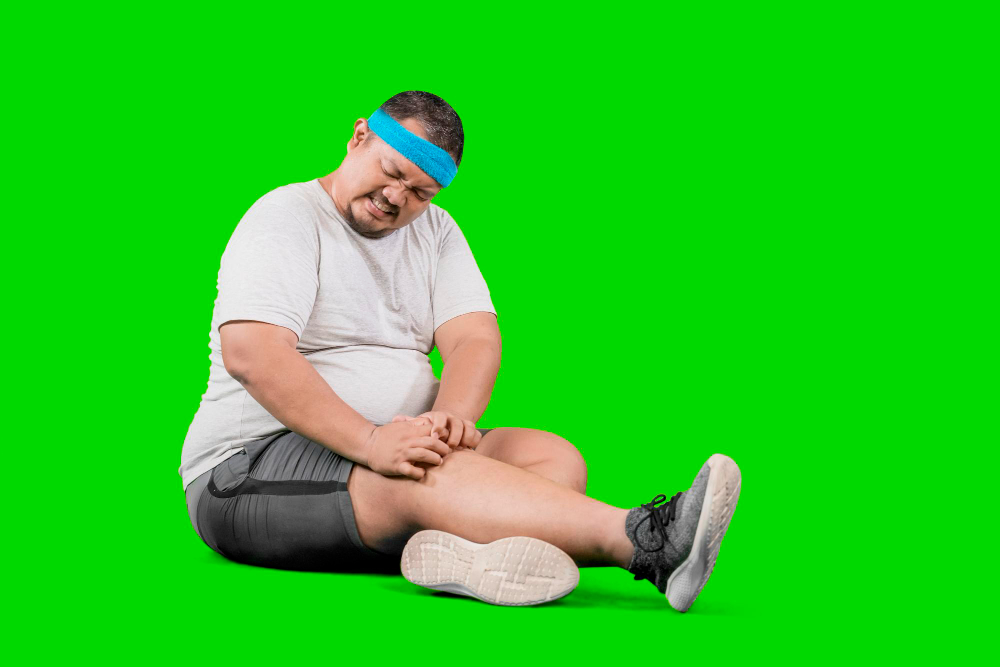
Obesity and joint pain often go hand in hand. When you carry extra weight, your joints work harder. Over time, this extra stress can cause pain, swelling, and even damage. For example, the knees and hips are most affected. Because they support much of your body weight, they feel the strain first. As a result, joint pain becomes more common in people with obesity.
Why Excess Weight Damages Knees
Every step you take puts pressure on your knees. However, when you are overweight, this pressure increases. For every extra pound, your knees feel about four extra pounds of force. Over time, this can wear down the cartilage in your knees. Cartilage is the smooth tissue that helps your joints move easily. When it wears away, bones rub together, causing pain. This is why knee pain from obesity is so common.
Symptoms of Knee Pain Linked to Obesity
Many people notice knee pain as their weight increases. Some common symptoms include:
Sometimes, these symptoms get worse with more activity. But even rest may not fully relieve the pain.
Diagnosis: Identifying Obesity-Related Knee Problems
Doctors use several steps to diagnose knee pain from obesity. First, they ask about your symptoms and medical history. Next, they may check your weight and BMI. Often, a physical exam helps find tender or swollen areas. Sometimes, doctors order X-rays or MRI scans. These tests show if there is damage to the knee joint. Early diagnosis can help prevent more serious problems later.
Treatment Options for Obesity and Knee Pain
There are many ways to treat knee pain linked to obesity. Treatment often depends on how severe the pain is. Common options include:
However, losing even a small amount of weight can make a big difference. According to the CDC, losing just 5% of your body weight can reduce knee pain and improve movement.
Lifestyle Tips to Protect Your Knees
There are simple steps you can take to protect your knees. For example:
With these habits, you can help prevent joint pain in overweight individuals.
Prevention: How to Lower Your Risk
Preventing joint pain starts with managing your weight. But there are other steps you can take:
By following these tips, you can lower your risk of knee pain from obesity.
When to See a Doctor
Sometimes, knee pain does not go away on its own. You should see a doctor if:
Early treatment can help prevent more serious joint problems.
In summary, obesity and joint pain are closely linked. Extra weight puts stress on your knees, leading to pain and damage. However, healthy habits and early care can make a big difference. Consult a healthcare professional for personalized advice on managing obesity and joint pain.