Introduction
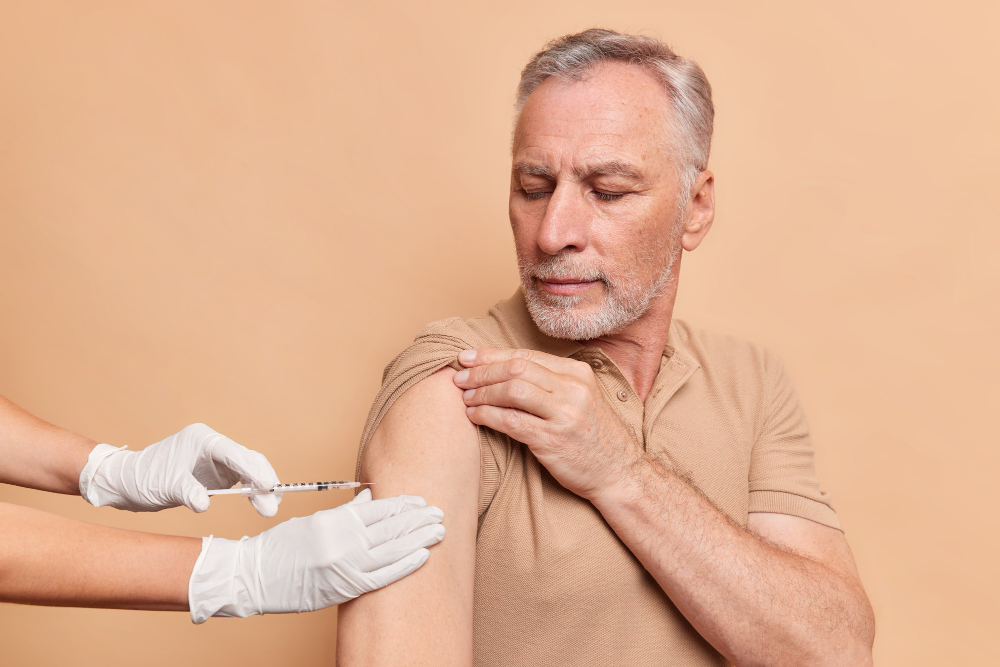
Vaccination for elderly is a vital step in protecting health as we age. As people grow older, their immune system weakens. This makes them more likely to get certain diseases. Vaccines for seniors help prevent serious illnesses and lower the risk of complications. In many countries, an elderly immunization schedule guides which vaccines are best for older adults. Staying up-to-date with these vaccines can help seniors live healthier, longer lives.
Common Vaccine-Preventable Diseases in Older Adults
Older adults face a higher risk from some infections. For example, the flu can cause severe illness in seniors. Pneumonia is another threat, as it can lead to hospital stays. Shingles, caused by the chickenpox virus, is also more common in older age. In addition, diseases like COVID-19 and tetanus can be more dangerous for seniors. Because of these risks, vaccines for seniors are important for protection.
Recommended Vaccines for Elderly
Health experts, including the CDC and WHO, recommend several vaccines for seniors. These vaccines help prevent common and serious diseases. Here are the main vaccines older adults should consider:
Some seniors may also need vaccines for hepatitis, measles, or other diseases. Your healthcare provider can help you follow the right elderly immunization schedule for your area.
Benefits of Vaccination in Older Age
Vaccines offer many benefits for seniors. First, they lower the risk of getting sick. Also, if you do get sick, vaccines can make the illness milder. For example, the flu shot for older adults can prevent hospital visits. Vaccines also help protect family and friends by stopping the spread of disease. In addition, staying healthy means you can enjoy more activities and independence. Because of these reasons, safe vaccines for elderly are a smart choice.
Safety, Side Effects, and Addressing Common Concerns
Many people worry about vaccine safety. However, vaccines for seniors are tested carefully before approval. Most side effects are mild, such as a sore arm or slight fever. Serious reactions are rare. If you have allergies or health problems, talk to your doctor before getting a shot. In most cases, the benefits of vaccination for elderly far outweigh the risks. For more details, you can check trusted sources like the CDC or WHO.
Tips for Staying Up-to-Date with Vaccinations
It is easy to forget when your next vaccine is due. However, staying on track is important. Here are some tips to help you remember:
Because vaccine schedules can change, always check with your healthcare provider for the latest advice.
Prevention and Lifestyle Guidance
Besides vaccines, healthy habits help protect seniors from illness. For example, wash your hands often and avoid close contact with sick people. Eat a balanced diet and stay active to keep your immune system strong. Also, get enough sleep and manage stress. If you travel or live in a group setting, ask about extra vaccines you may need. By combining vaccination for elderly with good habits, you can lower your risk of getting sick.
Conclusion
In summary, vaccination for elderly is a key part of staying healthy in later years. Recommended vaccines for seniors protect against serious diseases and help you enjoy life. While side effects are usually mild, the benefits are great. Therefore, consult your healthcare provider to discuss the best vaccination plan for you or your loved ones.